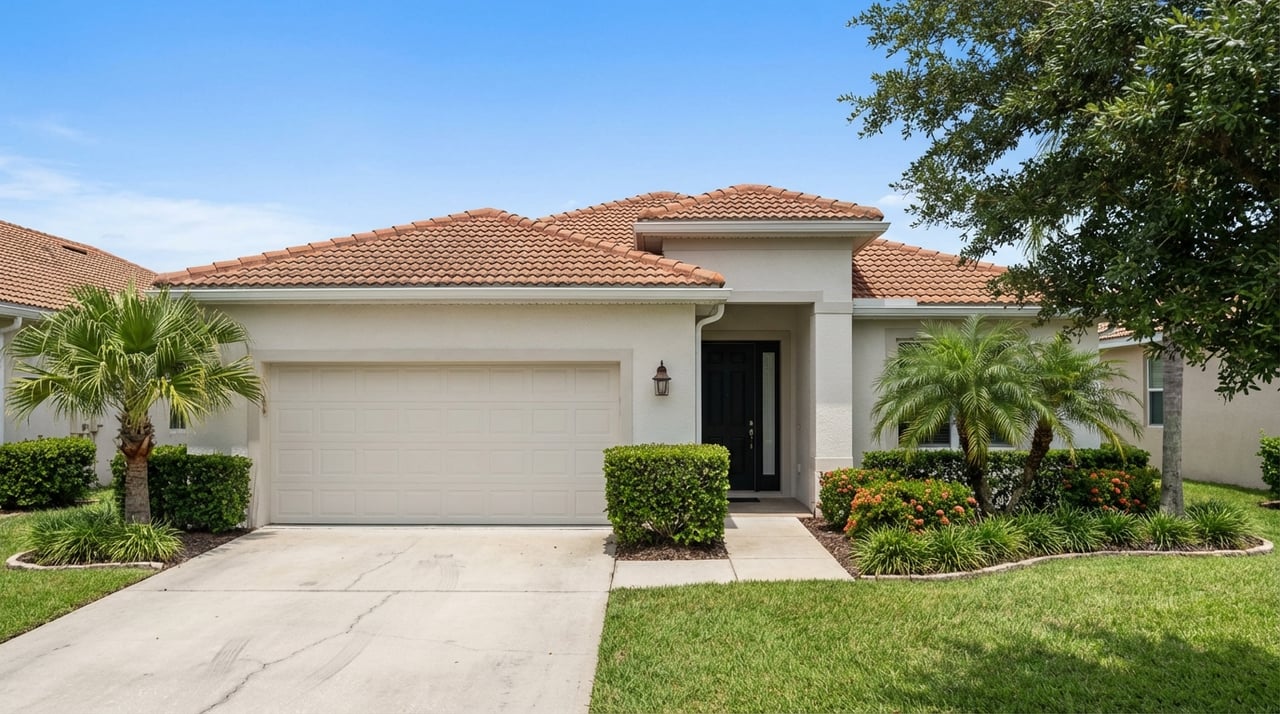
Thinking about a new build in Horizon West but unsure where to start? Between lot choices, builder incentives, and CDD and HOA fees, it is easy to miss details that impact your budget and timeline. You deserve a clear picture before you sign. In this guide, you will learn how lots and premiums work, how to compare incentives, what to expect with timelines and inspections, and how CDD and HOA costs affect your monthly payment. Let’s dive in.
Horizon West overview
Horizon West is a large, master-planned area in western Orange County with multiple villages and neighborhoods at different stages of development. You will find a mix of parks, lakes, and amenity centers planned across phases. For a high-level look at the area, explore Orange County’s Horizon West overview.
Infrastructure in master-planned communities is often financed through Community Development Districts, or CDDs, alongside HOAs. CDDs are governed by Florida Statutes Chapter 190, while HOAs are covered by Chapter 720. Understanding how these work in Horizon West will help you plan for recurring costs beyond your mortgage.
New vs. resale at a glance
Resale homes can offer speed and established neighborhoods. New construction offers modern layouts and the chance to personalize finishes and features. In Horizon West, builders release products in phases, so timing, lot selection, and fee structures often drive the decision.
Lot types and premiums
Builders in Horizon West commonly offer several lot categories. The lot you choose can affect price, privacy, and future resale.
- Base lots: Standard interior lots without special features.
- Premium lots: Corner, lakefront or pond-view, preserve-backed, cul-de-sac, or larger lots. Premiums are added to the base price and are shown as a separate line item.
- Inventory or model lots: Homes already built or used as models. Pricing can be higher, but you may see promotional pricing if a home sits unsold.
What to evaluate before you commit:
- Orientation and grading: Elevation and drainage can affect landscaping, insurance, and long-term maintenance.
- Setbacks and easements: Check plat restrictions. Some lots limit pool placement or future additions.
- Future phases nearby: A vacant parcel next door today could be a construction site later. Ask to see the builder’s phasing plan.
Premiums may be negotiable based on market conditions and inventory. Get the premium in writing and confirm whether any credit applies.
Builder incentives: how to compare
Incentives can be valuable when they fit your goals. Focus on the net effect on your payment and cash to close.
Common incentive types:
- Closing-cost contributions or lender credits
- Rate buy-downs
- Paid upgrades for kitchens, baths, flooring, or appliances
- Lot premium credits
- Price reductions on inventory homes
How to evaluate offers:
- Ask for a written sales sheet detailing every incentive and condition.
- Request an itemized closing estimate that shows how incentives are applied.
- If incentives require a preferred lender or title company, compare the full offer against outside quotes to confirm the true savings.
You often have more negotiating room on inventory homes than on newly released lots in a hot phase. Representation helps you gauge where the builder is flexible.
Construction timelines and steps
Every builder runs a slightly different process, but most follow a similar sequence. Plan for schedule shifts due to permitting, materials, and weather.
Typical steps:
- Lot reservation: A small, refundable deposit holds the lot while the contract is drafted.
- Contract and earnest money: The builder contract sets base price, lot, premiums, and options.
- Option and review period: Often 10 to 15 days, but verify in writing.
- Financing approval: Conventional loans for inventory homes are common. Some builders offer incentives with preferred lenders.
- Permitting and site work: Timing varies with county backlogs and site conditions.
- Build milestones and inspections: Pre-drywall and final stages are common checkpoints. Coordinate independent inspections if allowed by the contract.
- Certificate of Occupancy and closing: You typically close after the CO is issued. Clarify how any punch-list items will be handled if they roll past closing.
- Warranty period: Know what is covered and how to submit claims.
Typical durations:
- Inventory homes: Weeks if completed and permitted.
- Spec or quick-move: About 2 to 6 months, depending on stage.
- Full build-to-order: Often 6 to 12 months, sometimes longer with delays.
Independent inspections at pre-drywall and final stages are strongly recommended if your contract permits them. Schedule these early to avoid bottlenecks.
CDD and HOA costs in Horizon West
A CDD funds and maintains infrastructure through bonds and annual assessments. Those assessments appear on your property tax bill and often include both debt service and operations and maintenance. You can read more in Florida Statutes Chapter 190.
HOAs operate separately and collect dues for private common areas, landscaping, and amenities. HOAs do not replace CDD assessments. The legal framework for HOAs is outlined in Florida Statutes Chapter 720.
In Horizon West, you may encounter a master HOA plus a neighborhood sub-HOA, and one or more CDDs based on the village. Some districts are active now, while others may become active as phases build out. Fees can change over time, especially after HOA turnover from developer control to residents.
How to verify exact numbers for a specific lot:
- Review the builder’s disclosure packet and the most recent closing estimate.
- Check parcel records with the Orange County Property Appraiser for tax and assessment details.
- Look up district information through Florida’s Special District Accountability Program and confirm assessments and any pending bonds with the community manager.
Costs beyond the base price
Budget for one-time and recurring items that do not show in the base price. Ask for line-item detail and a written total.
One-time or closing costs:
- Lot premium
- Structural and design upgrades
- Closing costs and title fees
- Impact and utility connection fees if applicable
- Mortgage-related fees, appraisal, and inspections
- Moving and initial landscaping
Recurring costs:
- CDD assessments on your tax bill
- Master and sub-HOA dues
- Property taxes and any special assessments
- Homeowners insurance, and flood if required
- Ongoing maintenance and services
As a general planning guide, many buyers set aside lot premium plus 5 to 15 percent of the base price for typical upgrades and closing costs, then add estimated CDD and HOA assessments. Always verify the exact figures for your specific lot and community.
Warranties and dispute terms
Most builders provide a limited warranty structure, often 1 year for workmanship, 2 years for systems, and 10 years for structural items. Third-party warranty providers such as 2-10 Home Buyers Warranty outline common coverage expectations.
Many builder contracts include mediation or arbitration provisions. Review these terms, understand notice deadlines for warranty claims, and keep copies of all communications and punch-list items.
Why buyer representation matters
Builder sales teams represent the builder. If you want an advocate, you need your own representation documented in writing. In Horizon West, that support can pay off in clarity and negotiating power.
What a dedicated buyer’s agent helps you do:
- Explain the builder contract, addenda, timelines, and warranty terms.
- Negotiate base price, lot premium, upgrades, and incentives, and confirm the net benefit.
- Confirm that every promise is in writing and reflected on the closing statement.
- Coordinate independent inspections at key stages.
- Verify CDD and HOA obligations with governing documents and budgets.
- Coordinate with your lender and title to confirm fees and closing conditions.
If a builder restricts representation or is vague about incentives, pause and get everything clarified in writing.
Buyer checklist before you sign
Use this list to keep your decision on track:
- Written price sheet covering base price, lot premium, upgrade allowances, and exact incentives.
- Full purchase contract and builder addenda for review.
- Itemized closing estimate showing application of incentives and credits.
- HOA governing documents, budgets, and recent meeting minutes.
- CDD disclosure, current annual assessment schedule, and any pending bonds.
- Milestone dates, extension clauses, and a permit-to-CO timeline.
- Warranty documents and dispute-resolution terms.
- Allowed independent inspections and timing windows.
- Contacts for the construction manager and superintendent.
- Written confirmation of any verbal promises or concessions.
Ready to explore new builds in Horizon West with an experienced advocate by your side? Reach out to John R Gordon PA for a focused, local consultation and a clear plan from lot selection to closing.
FAQs
What is a CDD in Horizon West and how is it billed?
- A CDD funds infrastructure and is repaid through annual assessments that appear on your property tax bill; confirm the exact amount for your lot through county records and the builder’s disclosures.
How do HOA dues interact with CDD assessments in new communities?
- HOAs and CDDs are separate; HOAs handle community operations and amenities, while CDD assessments pay for infrastructure and maintenance tied to bonds.
Which lot types in Horizon West usually carry premiums?
- Corner, lake or pond-view, preserve-backed, cul-de-sac, and larger lots typically add a premium that is listed separately from the base price.
Are builder incentives real savings on new construction in Winter Garden?
- They can be, but compare the full offer, including any required preferred lender, against outside quotes and request an itemized closing estimate to confirm your net benefit.
How long does a build-to-order home usually take in Horizon West?
- Many builds complete in 6 to 12 months, but permitting, materials, and weather can extend timelines; confirm milestones and extension clauses in writing.
Can I hire independent inspectors during construction of a new build?
- Many builders allow pre-drywall and final inspections if your contract permits them; secure those rights in writing and schedule early.