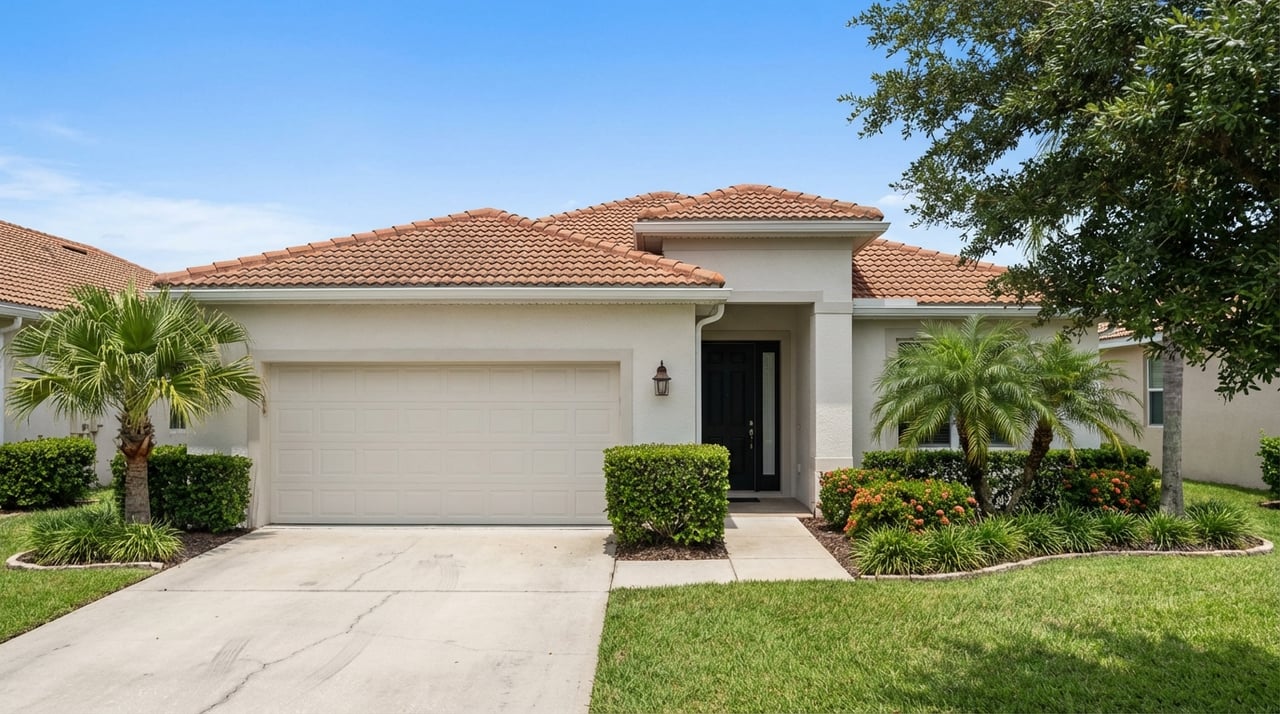
Moving to Orlando can feel exciting and overwhelming at the same time. You have work to get to, a budget to respect, and a lifestyle you want to enjoy. The good news is that you can use a simple framework to narrow your options quickly and focus your search with confidence. In this guide, you’ll learn how to map your commute, match housing types to your lifestyle, filter by budget, and build a smart area tour. Let’s dive in.
Start with your priorities
Before you look at listings, set clear decision rules. This helps you move fast once the right home appears.
Must‑haves vs. nice‑to‑haves
- Must‑haves: primary work location, maximum one‑way commute time, number of bedrooms, any school requirements, absolute budget cap.
- Nice‑to‑haves: walkability, yard size, HOA preferences, new construction vs. resale, proximity to parks, shops, or beaches.
Write down your top three must‑haves and top three nice‑to‑haves. Share them with your agent so every option supports your plan.
Map work to commute corridors
Orlando is shaped by a few key highways and transit lines. Using corridors instead of a simple mileage radius gives you a more realistic picture of time and access.
Core drive corridors to know
- I‑4: The main spine that connects Downtown Orlando to areas west like MetroWest and Winter Garden and east toward Sanford. Expect peak‑hour congestion, so always test drive.
- SR‑408 (East‑West Expressway): A direct city artery that links downtown to east and west suburbs. Useful for bypassing parts of I‑4 and reaching the city core.
- FL‑528 (Beachline): Connects Orlando International Airport, Lake Nona, and the Kennedy Space Center corridor. Common for southeast‑side commutes and frequent flyers.
- SR‑417 (Central Florida GreeneWay): An eastern and southern loop that offers faster access to Lake Nona, the University area, and the airport.
- US‑17/92/441/50: Important local arterials for inner and southern Orange County. Often slower but can be the most direct path.
Tourist corridors and event venues can shift traffic patterns. If you plan to live near International Drive or close to theme parks, consider reverse commute impacts and weekend traffic.
Test drive your peak commute
Pick your time budget, such as 20, 30, or 45 minutes. Then simulate the trip using the “Depart at” setting in Google Maps during weekday peak hours. Check both directions and test a reverse commute if your route overlaps tourist areas.
Transit options worth a look
Transit can work if you live and work near stations or frequent routes.
- SunRail runs north to south and serves parts of the metro. Check stations and schedules before you plan around it.
- LYNX offers broad bus coverage. Commutes can be slower with transfers, so weigh the tradeoff versus driving.
- Downtown circulators like Lymmo help within core neighborhoods and can cut last‑mile time around the city center.
Frequent flyers and MCO
If you travel often, consider drive times to Orlando International Airport. FL‑528 and SR‑417 generally offer the fastest airport access from the southeast and south suburbs.
Match housing types to your lifestyle
Orlando offers distinct neighborhood styles. Start with the fit that matches how you live day to day.
Urban and walkable cores
- Examples: Downtown Orlando near Lake Eola, Thornton Park, North Quarter.
- Typical homes: condos and lofts, with some historic small homes.
- Best if you want cafes, nightlife, and a short commute to the city core.
- Tradeoffs: limited yard space and potential HOA or parking costs.
Trendy inner suburbs and historic districts
- Examples: College Park, Mills 50, Ivanhoe Village, Park Lake/Highland.
- Typical homes: Craftsman bungalows, cottages, small lots, some new infill.
- Best if you want local shops and events with a neighborhood feel.
- Tradeoffs: older homes may need updates and yard sizes are smaller.
Classic suburban neighborhoods
- Examples: Baldwin Park, Hunters Creek, Conway, MetroWest.
- Typical homes: single‑family houses and townhomes with community amenities.
- Best if you want parks, pools, and an easy suburban rhythm.
- Tradeoffs: commutes vary by job center and HOAs are common.
High‑amenity planned communities and growth corridors
- Examples: Lake Nona, Vista/Alafaya near UCF, Waterford Lakes.
- Typical homes: newer construction, townhomes, mixed‑use centers.
- Best if you want modern amenities and proximity to medical or tech hubs.
- Tradeoffs: price premiums in newer submarkets and ongoing build‑out in some areas.
Upscale suburbs and lakefront living
- Examples: Windermere, select neighborhoods in Winter Park, Dr. Phillips.
- Typical homes: larger single‑family properties, lakefront estates, some gated communities.
- Best if you want larger lots and access to higher‑end amenities.
- Tradeoffs: higher costs and commute times that depend on access to I‑4 or SR‑408.
Affordable and exurban options
- Examples: Ocoee, Apopka, and areas near the Orange and Osceola County line.
- Typical homes: more affordable single‑family options and older tract communities.
- Best if you want more space for the price.
- Tradeoffs: longer commutes and fewer walkable amenities.
Use budget bands to filter faster
Set your total budget, including taxes, insurance, HOA, and maintenance. Decide how much you will trade between location and house features.
Entry and first‑time buyers
- Typical: condos, townhomes, smaller single‑family homes, older inventory.
- Areas to explore: Conway, Hunters Creek pockets, parts of MetroWest, areas farther from downtown and tourist corridors.
- Tradeoffs: longer commutes or renovation needs.
Moderate and move‑up buyers
- Typical: single‑family homes in established suburbs and newer townhomes.
- Areas to explore: College Park for smaller homes, Baldwin Park for select resales, Winter Garden, and parts of Dr. Phillips.
- Tradeoffs: balance lot size with proximity to amenities and commute.
Upscale and premium family band
- Typical: larger single‑family homes with higher‑end finishes, lake access in some cases.
- Areas to explore: Windermere, select Winter Park neighborhoods, Lake Nona pockets, and Dr. Phillips.
- Tradeoffs: premium costs for location and privacy, commute depends on corridor access.
Luxury and estate search
- Typical: custom homes, gated communities, lakefront estates.
- Areas to explore: Windermere estates and lakefront around the Butler Chain.
- Tradeoffs: highest purchase and maintenance costs, and commutes vary unless near major arteries.
Consider getting pre‑approved to solidify your range. Ask your agent to pull recent comparable sales from the last 90 days in your target neighborhoods to confirm price trends before you tour.
Shortlist 3 to 6 neighborhoods
Start with your primary work location and a realistic commute time. Choose one main corridor, then explore neighborhoods along that path that match your housing style and budget band. Aim for three to six options to compare side by side.
Sample shortlists by profile
- Downtown professional with a 20‑minute commute: Downtown Orlando near Lake Eola, Thornton Park, College Park, Mills 50.
- Medical or tech professional near Medical City: Lake Nona, Vista East, Waterford Lakes, neighborhoods along SR‑417 for easy airport access.
- Move‑up family prioritizing suburban amenities: Baldwin Park, Winter Garden, Hunters Creek, Dr. Phillips.
- Lake‑oriented buyer seeking privacy and space: Windermere and lakefront pockets near the Butler Chain.
Plan an efficient area tour
A well‑planned visit lets you compare styles, commutes, and micro‑amenities in a single day.
Pre‑tour prep checklist
Provide your agent with:
- Work address or hub, typical hours, and maximum commute time.
- Must‑haves like beds, baths, garage, yard size, or specific school requirements.
- Budget or pre‑approval letter and move timeline.
- Deal breakers such as floodplain, HOA limits, or rental restrictions.
How to structure the tour
- Focus on one commute corridor to reduce drive time between showings.
- Mix two or three anchor neighborhoods that represent different styles and price bands.
- Schedule test drives during peak periods and an evening drive to check congestion and noise.
- Include a 30 to 45 minute neighborhood walk to experience parks, restaurants, and transit stops.
Sample half‑day itinerary
- 9:00: Meet at a central hub for a quick overview.
- 9:15: Visit an inner‑city neighborhood like Lake Eola or College Park and tour two homes. Walk to local coffee shops to gauge walkability.
- 11:00: Drive along SR‑408 or I‑4 to a planned community such as Baldwin Park. Tour one or two homes and amenities.
- 12:30: Lunch and discuss school zones, HOA considerations, and recent comps.
- 14:00: Head to Lake Nona or the University area to tour two listings and compare the commute to your employer.
- 16:00: Wrap up with next steps, including inspection planning and lender follow‑ups.
If you cannot visit yet, ask your agent for high‑quality video walkthroughs, narrated drive‑time clips at peak hours, and a short list of recent comparable sales.
Smart due diligence and tools
Use trusted sources to verify details for any address you like.
- Commute planning: test peak times with Google Maps and compare multiple routes.
- Rail and bus: check SunRail stations and schedules and LYNX bus routes.
- Airport access: confirm drive times to Orlando International Airport.
- Walkability and transit scores: review Walk Score for neighborhood‑level context.
- School information: verify attendance zones and statewide resources via the Florida Department of Education and use GreatSchools for third‑party ratings and maps.
- Property data: view parcel maps, legal descriptions, and tax history at the Orange County Property Appraiser.
- Flood risk: search the FEMA Flood Map Service Center for floodplain information.
What working with a local advisor looks like
You deserve a clear plan and a partner who knows the nuances of Orlando’s corridors and neighborhoods. The Gordon Group pairs neighborhood‑level intelligence with modern tools, including virtual tours and guided itineraries, to help you compare urban, suburban, planned, and lakefront options with confidence. When you are ready to narrow your list or schedule an area tour, reach out to John R Gordon PA for a tailored consultation.
FAQs
How long are Orlando commutes during rush hour?
- Use the “Depart at” feature in Google Maps to simulate peak times in both directions, then compare at least two routes along your chosen corridor.
What areas are best for Lake Nona or UCF commutes?
- Lake Nona, Vista East, and areas along SR‑417 provide convenient access to Medical City and the airport, while the Alafaya and Waterford Lakes corridor is practical for UCF.
How do school boundaries affect buying in Orlando?
- Boundaries can cross neighborhoods, so verify by address with the Florida Department of Education and review third‑party maps on GreatSchools before making an offer.
Should I prioritize a shorter commute or a larger yard?
- It depends on your daily routine. Urban and inner‑suburb areas shorten commutes with smaller lots, while outer suburbs offer more space with longer drive times.
Do tourist areas or the airport change everyday traffic?
- Areas near International Drive, theme parks, and MCO often see heavier traffic. Test your routes at peak times and on weekends to see true patterns.
Can I tour homes virtually before visiting Orlando?
- Yes. Ask your agent for video walkthroughs, narrated drive‑time clips, and recent comparable sales to shortlist neighborhoods before you fly in.