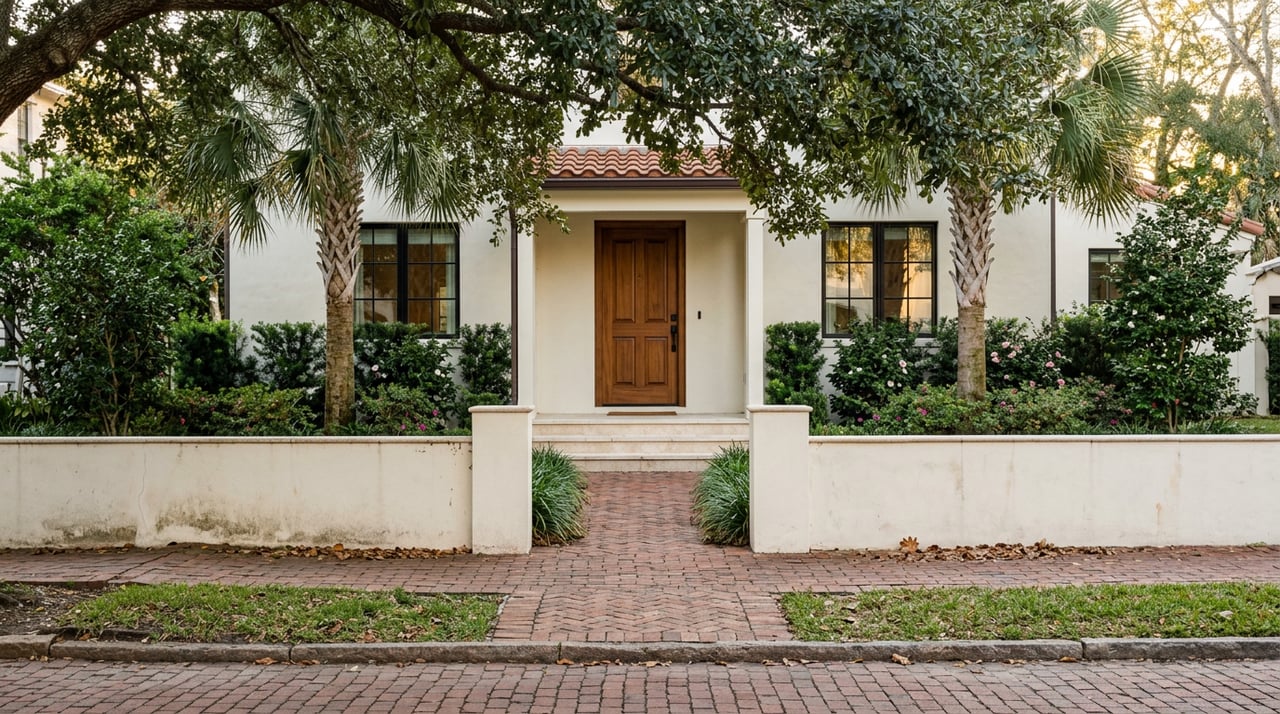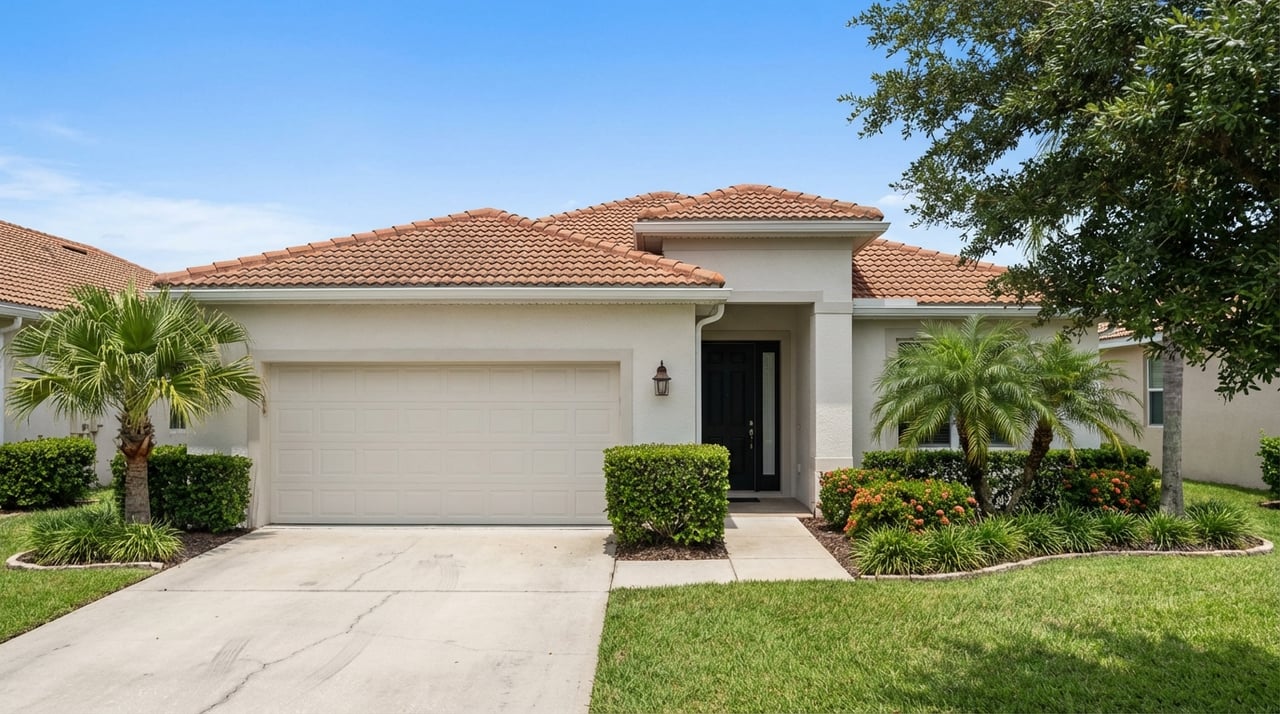
Thinking about selling your current Orlando home so you can upgrade to more space, a better layout, or a different neighborhood? The move-up path can be exciting, but timing and strategy matter. You want to protect your equity, secure the right next home, and avoid getting stuck with two mortgages or no place to land.
In this guide, you’ll learn how to read the Orlando market like a pro. You’ll see which local indicators to watch, what they mean for your buy-first or sell-first decision, and how to align financing and timing. Let’s dive in.
Orlando market snapshot
Orlando has drawn steady population growth over the last decade, supported by jobs in tourism and hospitality, healthcare and medical, tech, and logistics. That growth keeps buyer demand in play across many price points.
Investors also shape the market. Short-term rental demand near tourism corridors attracts investor and second-home buyers, which can tighten supply in certain neighborhoods.
On the supply side, new construction is active across suburban master-planned areas, especially at lower to mid price tiers. Resale inventory eased somewhat from the 2020–2021 lows, but many desirable submarkets still run lean compared to long-term norms.
Orlando is a collection of micro-markets. Higher-end areas like Winter Park, Lake Nona, and Dr. Phillips behave differently from urban pockets like Downtown or College Park and from suburban communities farther from I-4. Spring is typically the busiest selling season, but year-round activity is meaningful due to steady in-migration and a diverse employment base.
Key indicators to watch
Active inventory
Active inventory tells you how much choice buyers have and how much leverage sellers hold. More listings usually mean more options for buyers and less pressure to compete.
For move-up buyers, watch both sides. You want to know if your starter-home tier has enough demand to sell cleanly and if the move-up tier offers enough selection to find the right fit without bidding wars. New construction often adds inventory in outer suburbs, while central, higher-priced neighborhoods may stay tight.
Track active and new listings each week and keep an eye on months of supply. That is the number of months it would take to sell current inventory at the recent sales pace.
Price trends
Median price, price per square foot, and list-to-sale price ratios show whether sellers are achieving higher prices and how much negotiation room buyers have.
If starter-home prices are rising faster than move-up homes, selling first can maximize proceeds and stretch your budget. If move-up prices are climbing more quickly, buying earlier can lock in value. Luxury and high-demand micro-markets can diverge sharply from the metro median, so always compare segment to segment.
Look at 3-month medians versus 1-year and 3-year trends, and review list-to-sale ratios to understand how close offers are landing to asking prices.
Days on market and pending ratios
Days on market shows how fast homes are moving. Short days on market paired with rising pending ratios indicate a faster market with more urgency.
Entry-level homes often move faster than higher-end properties. If your starter home is selling quickly, you may need buy-first strategies or flexible occupancy terms to avoid a gap. If days on market lengthen, you may have more time to align both closings.
Months of supply
Months of supply estimates how long the current inventory would last at the existing sales pace. Around 4 to 6 months is often considered balanced.
Less than about 3 months tends to favor sellers, which can limit your options and push you to consider buying first. When supply drifts toward balanced conditions, buyers gain leverage and you may find a wider window to shop and negotiate.
Interest rates and mortgage options
Rates affect your monthly budget and how much home you can afford. Small changes matter. For a $400,000 mortgage, a 30-year fixed at 4.00% is roughly $1,909 per month. At 6.00%, it is roughly $2,398 per month, about a $488 difference. Taxes, insurance, and down payment are not included in this illustration.
If you are likely to carry two mortgages for a short time, rate volatility matters even more. Consider whether it makes sense to lock a rate or to structure your plan so you do not overlap payments for long.
Inventory mix: new vs resale and cash share
New homes can come with incentives and builder financing options, which change negotiations and timing. Investor and cash purchases can remove listings from the active pool quickly, tightening supply for traditional buyers in some areas.
If many of your target move-up options are new construction, builder credits or temporary rate buydowns can influence your monthly payment and closing timeline.
Where to check data
Use neighborhood-level sources for the most relevant picture:
- Orlando Regional REALTOR Association market snapshots
- Florida Realtors county and metro reports
- Freddie Mac for rate trends and product options
- FHFA and national housing reports for price indexes
- Orange County property appraiser and local records for comps and tax history
Choose your move-up path
There is no one-size-fits-all answer. The right approach depends on your equity, cash reserves, risk tolerance, and the supply-demand setup in both your current and target price bands.
Option A: Sell first
Pros:
- Removes the risk of carrying two mortgages.
- You know your net proceeds before you buy, which simplifies your budget.
- You may negotiate more confidently on your next purchase without a sale contingency.
Cons:
- You may need temporary housing.
- If the move-up market is fast, you could face limited options after you sell.
- Logistics can be stressful if timing is tight.
How to make it work:
- Negotiate post-closing occupancy or a rent-back so you can stay briefly after closing.
- Align closing windows within 30 to 60 days if possible.
- Use a short-term rental or stay with family or friends if needed.
Best fit if your starter home sells quickly and you have a clear plan for temporary housing.
Option B: Buy first
Pros:
- Locks in your next home and your rate.
- Avoids multiple moves and keeps family routines stable.
- Works well if your target area has limited, unique options.
Cons:
- You may carry two mortgages for a short period.
- You might need bridge financing or a higher down payment.
- A purchase offer contingent on selling your home is less competitive in tight markets.
Financing tools to explore:
- Bridge loan to cover your down payment until your sale closes.
- HELOC or home equity loan secured by your current home.
- Cash reserves to increase your down payment.
- Rate locks with potential float-down features, if available through your lender.
Best fit if you hold strong equity, have solid reserves, or your starter-home segment is slower and still likely to sell within a reasonable window.
Option C: Contingent and staged moves
Contingent offers can work when sellers are flexible. You can also negotiate a rent-back after selling or plan a staged move with a short-term rental between transactions.
Tips to stay competitive:
- Keep contingency timelines clear and reasonable.
- Consider allowing the seller to accept backup offers.
- Use escalation clauses only when you are confident underwriting and appraisal will support your offer.
Best fit if you want to avoid bridge financing and need flexibility to coordinate logistics.
Financing and costs
Payment sensitivity
Move-up mortgages are usually larger, so rate changes hit harder. The earlier example shows how a 2 percent rate difference on a $400,000 loan can shift your monthly principal and interest by roughly $488. Model your likely loan size across a small range of rates to see the impact on your monthly budget.
Include the full monthly picture if you may carry two mortgages briefly. Account for principal and interest, property taxes, insurance, HOA dues, utilities, and maintenance.
Common tools
- Conventional 30-year fixed mortgage for primary residences.
- Bridge loan that is interest-only for a short term to unlock your down payment.
- HELOC or home equity loan to tap existing equity.
- Cash-out refinance if it fits your longer-term financing goals.
- New-home builder incentives and temporary rate buydowns that can reduce early-year payments.
Cost checklist
- Seller costs: combined agent commissions are often around 5 to 6 percent nationally, plus title, prorations, and any concessions you choose to offer. Use a seller net worksheet to estimate proceeds.
- Buyer costs: down payment, closing costs that commonly range around 2 to 5 percent depending on loan and fees, inspection and appraisal, plus moving costs.
- Florida taxes and fees: documentary stamp taxes and recording fees apply. Your title or escrow provider can confirm Orange County specifics for your transaction.
Neighborhood choices
Orlando micro-markets vary widely. Match your move-up plan to the areas you are targeting.
- Lake Nona and Medical City: newer construction and higher price points, often with strong appreciation. Competition can be firm.
- Winter Park and Baldwin Park: established urban and family-focused areas with limited new inventory and stable demand.
- Dr. Phillips and Sand Lake: popular for amenities and proximity to dining and entertainment, often with price premiums.
- College Park, Downtown, and Thornton Park: urban lifestyle with varied inventory, sometimes with more investor activity and seasonal demand shifts.
- Suburban fringe across East, West, and Osceola-adjacent areas: more new construction, more inventory, and builder incentives. Consider commute and lifestyle tradeoffs.
Timing and logistics
Spring typically brings more listings and buyers, often tied to school calendars. That can help sellers on price and exposure but may increase purchase-side competition.
If your starter-home tier is moving fast, plan for buy-first tools, rent-back terms, or a short-term landing spot. If your target move-up area is showing rising inventory and longer days on market, you may be able to sell first, then shop with more leverage.
For new construction, factor in build timelines, design selections, and potential rate lock periods. Builder incentives can change month to month, so compare total cost, not just the sticker price.
A simple weekly checklist
Review these items at least weekly during your move-up window:
- Active listings by price band for your neighborhood and your target area
- New listings and the pending sales ratio
- Median sale price and price per square foot on 3-month and 12-month views
- Days on market and list-to-sale price ratio by segment
- Months of supply for your starter tier and your move-up tier
- Share of new construction and cash sales in your target neighborhoods
- Mortgage rate trends from local lenders and updates on available loan products
Also answer these key questions before you act:
- What are your estimated net proceeds if you list today?
- How long would it likely take to sell your home at today’s pricing and marketing plan?
- Do you have access to bridge financing or sufficient reserves to carry two homes briefly?
- How sensitive is your payment to a 0.5 to 1.0 percent rate change on your new loan?
- Are your desired neighborhoods showing rising or falling inventory?
- Can you negotiate a rent-back or contingency that the market will accept?
Next steps
If you want a move-up without unnecessary stress, build your plan around local data and clear timelines. Align your sell and buy strategies with the actual conditions in your starter and target segments, not just citywide headlines.
You can get neighborhood-level guidance, pricing strategy, and a clear path to your next home with the Orlando market expertise of John R Gordon PA. Get your home valuation, map your move-up options, and move forward with confidence.
FAQs
What does months of supply mean for Orlando move-up buyers?
- It estimates how long current listings would take to sell at the recent pace. Around 4 to 6 months is often balanced, less than about 3 tends to favor sellers and can make buying more competitive.
Is spring the best time to sell and buy in Orlando?
- Spring is usually the busiest season, which can help your sale, but Orlando has steady year-round activity; weigh competition, inventory, and your timeline rather than relying on season alone.
Should I sell my starter home before buying my next one?
- Sell first if you want certainty on proceeds and to avoid dual mortgages; buy first if your target area is tight or you need to secure a specific home and rate, then use tools like bridge loans or rent-back terms.
How can new construction help my move-up?
- New homes may expand your choices and sometimes include incentives or temporary rate buydowns, which can improve monthly costs and offer flexible closing timelines.
What financing options help if I buy first?
- Bridge loans, HELOCs, or home equity loans can fund your down payment until your home sells; rate locks with potential float-downs can manage volatility, depending on lender offerings.
How do investor and short-term rental buyers affect me?
- In areas near tourist corridors, investor and cash activity can tighten supply and speed up sales, so plan for competitive timing and consider Pre-Approval and strong offer terms.