Are you torn between Winter Park and Orlando? You are not alone. Both offer great Central Florida lifestyles, but the day-to-day feel, price points, and commute experience can be very different. In this guide, you will get a clear, side-by-side look at costs, housing, transportation, and culture so you can decide which city fits your budget and routine. Let’s dive in.
Winter Park vs Orlando snapshot
Winter Park is a smaller city just north of downtown Orlando with about 30,800 residents, while Orlando is much larger with roughly 335,000 residents. That size difference shapes everything from neighborhood variety to nightlife options. You will also see differences in income levels, commute patterns, and typical home values. For apples-to-apples data, the U.S. Census is a reliable baseline for long-run trends.
- Population: Winter Park ~30,800; Orlando ~335,000. Source: Census QuickFacts for each city. (Winter Park QuickFacts, Orlando QuickFacts)
- Median household income: Winter Park $105,724; Orlando $72,336. (Census QuickFacts)
- Median gross rent: both cities report around the mid $1,700s in the latest ACS 2020–2024 estimates. (Census QuickFacts)
- Median value of owner-occupied homes (ACS 2020–2024): Winter Park $731,400 vs Orlando $394,100. (Census QuickFacts)
- Mean travel time to work: Winter Park 22.0 minutes vs Orlando 26.2 minutes. (Census QuickFacts)
These figures highlight a key tradeoff. Winter Park offers a smaller, high-amenity core with higher average home values, while Orlando provides more neighborhood variety and more entry-level price points.
Housing styles and feel
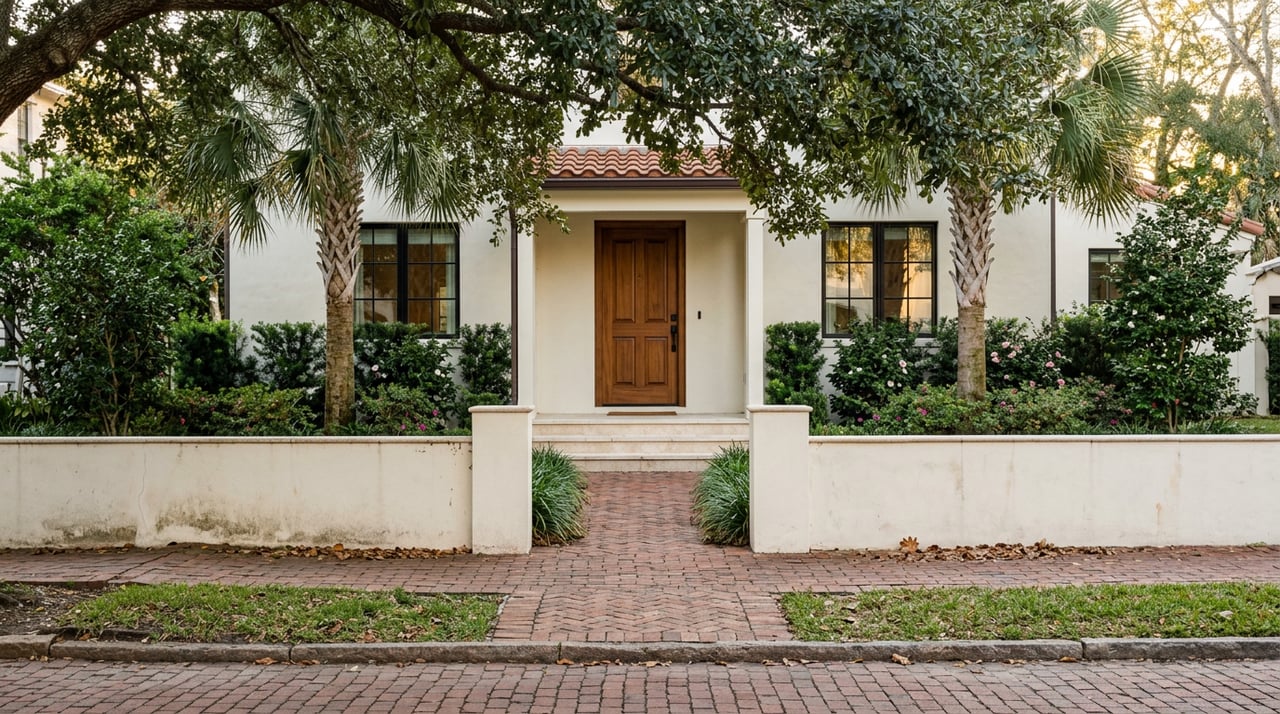
Winter Park’s housing leans historic and established. Closer to Park Avenue and the lakes, you will find older single-family homes with bungalow, Craftsman, and Spanish Revival details, along with luxury lakefront properties and pockets of mid-century and newer infill. Owner-occupancy is higher here, about 66 percent, which often contributes to a stable, long-term resident base. (Census QuickFacts)
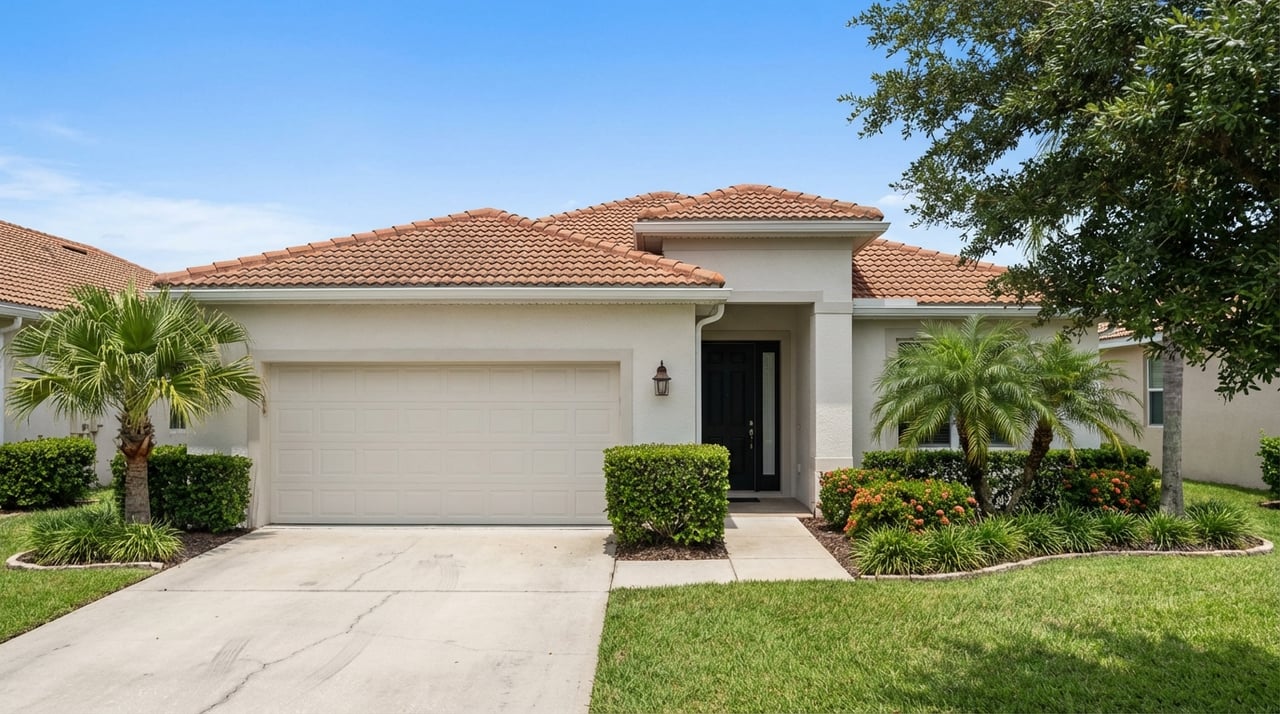
Orlando, by contrast, offers a wider mix shaped by its size. You can choose urban condos and walkable cores near Downtown, Thornton Park, and College Park, classic single-family neighborhoods with different eras of construction, or suburban-style subdivisions within city limits. Across the city, owner-occupancy is lower, around 39 percent, which translates into more rental variety and a broader range of price points. (Orlando QuickFacts)
If you want a defined, boutique downtown and lake access in a compact footprint, Winter Park is appealing. If you prefer to match a specific lifestyle, like an urban condo near nightlife or a larger suburban home, Orlando’s neighborhood choice can be a big advantage.
Prices and how to read them
When you compare prices, make sure you are looking at the same metric and the same geography. The Census “median value of owner-occupied housing units” is a multi-year estimate that shows structural differences over time. By that measure, Winter Park’s median is $731,400 and Orlando’s is $394,100, based on the 2020–2024 ACS window. (Census QuickFacts)
For month-to-month market movement, local REALTOR reports provide MLS-based medians. The Orlando Regional REALTOR Association reported a January 2026 Orlando-area median home price near $370,000. This is a useful benchmark if you are monitoring current sales activity and seasonality. (ORRA State of the Market, Jan 2026)
Keep two guardrails in mind:
- Always confirm the boundary. “Winter Park city limits” can mean 32789 and parts of 32792, while “Orlando city” spans ZIPs like 32801, 32803, 32804, and more. Prices vary block by block.
- Match the metric. ACS owner-occupied value, MLS median closed sale price, and modeled value indices each measure different things. Use ACS for long-run comparisons and MLS medians for recent activity.
Commutes and transportation
Average commute times are shorter in Winter Park, about 22 minutes on average, versus 26.2 minutes in Orlando. Your real drive time will depend on your exact origin and destination, but Winter Park’s proximity to Downtown and its rail option can help. (Census QuickFacts)
- Rail and bus: Winter Park’s SunRail station sits right in the Park Avenue area, connecting north–south to Downtown Orlando and beyond, with LYNX buses as feeders. This can be a practical non-driving option for some downtown and southbound commutes. (SunRail Winter Park Station)
- Driving patterns: Many Orlando-area commutes remain car dependent outside of dense, walkable nodes. Cross-town trips can lengthen if your job is in a different corridor such as Lake Nona’s Medical City, the Sand Lake/Dr. Phillips area, or International Drive. Mapping a rush-hour test run is wise before you commit to a neighborhood. (Visit Orlando neighborhoods overview)
If you want the option to skip the car for downtown, Winter Park stands out. If you work in a specific Orlando job center, choosing a neighborhood closer to that node may save you time daily.
Daily life and amenities
Winter Park has a classic small-city main street. Park Avenue and Central Park bring boutiques, cafés, and galleries together in one walkable stretch. Cultural anchors include the Charles Hosmer Morse Museum of American Art and Rollins College. Weekend routines often revolve around the farmers market, the Winter Park Scenic Boat Tour, and community events in Central Park. (City of Winter Park downtown metrics, Morse Museum, Orlando Magazine on Park Avenue)
Orlando’s strength is range and scale. Multiple neighborhood districts add character and choice, from Mills 50’s dining to Ivanhoe Village’s lakeside shops, College Park’s main street vibe, Thornton Park’s downtown-edge energy, and Dr. Phillips’ Restaurant Row. You will also find large venues and performing arts options downtown. The experience varies by neighborhood, so it pays to walk your top picks both day and night. (Visit Orlando neighborhood guide)
For parks and water, Winter Park’s lakes and small parks are woven into its downtown fabric, while Orlando offers more total parks and regional options. If you want a compact, walkable core, Winter Park is convenient. If you want a wider menu of scenes and late-night options, Orlando delivers.
Decision checklist
Use these quick prompts to match your priorities to the right city. Print or save this and check the boxes that apply to you.
Budget and price sensitivity
- Is your target single-family budget under or near the Orlando-area median? If yes, you will generally find more options in Orlando city and nearby suburbs. If you want a walkable downtown single-family home or lakefront property and have a higher budget, Winter Park is more likely to fit. For current sales medians and inventory, review local MLS-based reports. (ORRA monthly report)
Daily commute and transit needs
- Do you need a short commute into Downtown Orlando, or prefer a non-driving option? Winter Park’s SunRail station and proximity to downtown are advantages. If your job is in Lake Nona, Dr. Phillips, or I‑Drive, map rush-hour drive times from each short list neighborhood. (SunRail station info)
Walkability and errands
- Do you want cafés, groceries, and restaurants within a short walk? Winter Park’s Park Avenue and Central Park area is built for that. If you want walkability plus broader nightlife or a specific cuisine scene, check Orlando’s neighborhood districts. (Orlando Magazine overview)
Housing type and maintenance
- Prefer a yard and single-family home, or a low-maintenance condo or townhome? Winter Park skews toward owner-occupied single-family homes, while Orlando offers more multi-family and entry-level choices within the city.
Lifestyle and culture fit
- Prefer a concentrated cultural downtown with museums and markets, or a wide set of city districts and larger venues? Winter Park offers the former, Orlando the latter. (Morse Museum, Visit Orlando districts)
Operational checks before touring
- Verify active listings in your budget by neighborhood using local MLS-based resources. (ORRA monthly report)
- Test a typical commute at rush hour, including SunRail where feasible. (SunRail Winter Park)
- Visit Park Avenue and at least one Orlando district on both a weekday and a weekend to compare parking, noise, and restaurant wait times. (Orlando Magazine on Park Avenue)
Next steps with a local advisor
If you are early in the process, start with two short lists. For Winter Park, focus on city-limit areas near Park Avenue, Central Park, and the lakes if walkability is key. For Orlando, identify one or two districts that fit your routine, like Downtown, College Park, Mills 50, or Dr. Phillips, then compare commute times to your workplace.
From there, match your budget to current inventory. Use ACS values for long-run context and MLS-based medians for live market conditions. Confirm the ZIP codes and the neighborhood boundaries you care about before you start touring. A little homework upfront can save weeks once you begin scheduling showings.
When you are ready to refine your plan, connect with a local advisor who works across both cities. The Gordon Group is based in West Orange County and serves buyers and sellers across the greater Orlando corridor. If you want help comparing neighborhoods, pricing strategy, or timing your move, reach out to John R Gordon PA for a tailored consultation.
FAQs
Which city is typically more affordable for first-time buyers?
- Orlando generally offers more entry-level price points across a wider range of neighborhoods, while Winter Park’s owner-occupied values trend higher per ACS 2020–2024.
What are the average commute times from Winter Park and Orlando?
- Winter Park averages about 22.0 minutes and Orlando about 26.2 minutes, though your exact time depends on your origin, destination, and time of day. (Census QuickFacts)
How walkable is Winter Park compared to Orlando’s districts?
- Winter Park offers a compact, pedestrian-friendly core around Park Avenue and Central Park, while Orlando’s walkability varies by district such as Thornton Park, College Park, and Mills 50. (City of Winter Park, Visit Orlando)
What home types are common in each city?
- Winter Park features many established single-family homes, including historic and lakefront properties; Orlando spans urban condos, traditional single-family neighborhoods, and suburban-style subdivisions. (Orlando QuickFacts)
How should I compare home prices across sources fairly?
- Match the metric and date range, and confirm geography; use ACS owner-occupied values for long-run differences and MLS-based medians for current monthly trends. (Census QuickFacts, ORRA report)